
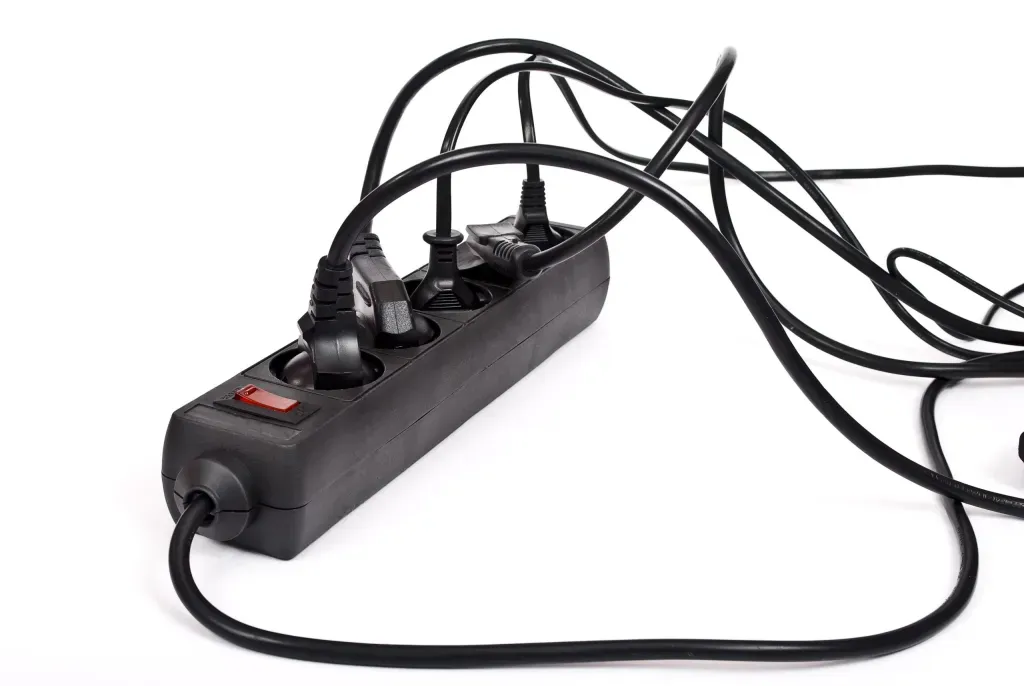
Household and workplace electrical devices commonly use extension cables for extra reach. This is especially true in areas where wall sockets are limited or inconvenient. Here are some considerations from electrical contractors in Northern, Virginia, for using extension cables safely, avoiding common hazards associated with overloading and misuse. In addition, we will show you how to get professional electrical wiring installation.
Dos and Don’ts for Safe Extension Cable Use
When using an extension cable, always check the power rating. This ensures that the devices you plug in don’t exceed the cable’s capacity, reducing overheating risk.
However, there are some clear “don’ts” as well. Avoid connecting multiple extension cables, a practice called “daisy-chaining,” which increases resistance in the circuit and heightens the risk of overheating. It’s also advised not to place extension cables under rugs or furniture, as this can trap heat, damage the cable, and create a fire hazard.
Dangers of Overloading Sockets
One of the biggest risks of extension cables is overloading the circuit. When you plug too many high-power devices into an extension cable or socket, you can draw more current than the circuit can safely handle. This can cause overheating and, in severe cases, electrical fires. Even devices with relatively low power consumption, when combined, can exceed the safe load for most extension cables. Overloading is especially dangerous because it often remains unnoticed until heat buildup becomes extreme.
To avoid overloading, it’s imperative to know the combined wattage of the devices you intend to use. Extension cables typically have a maximum load of 1,500 watts. However, it’s advisable to check the rating on your specific cable and stay within its limits.
Practical Extension Cable Safety Considerations
Safety considerations should be top of mind when using extension cables. First, always ensure the cable is fully uncoiled when in use, as coiled cables can trap heat, increasing fire risk. Additionally, only use cables that feature built-in surge protection, which can protect your devices from power surges, particularly in areas prone to voltage spikes.
It’s also wise to use extension cables designed for the intended environment. Indoor cables should not be used outdoors as they lack the necessary insulation to protect against moisture and temperature extremes.
Solutions for Reducing Extension Cable Dependence
While extension cables are useful, reducing your reliance on them is often a safer, longer-term solution. Consider hiring a residential electrical contractor to install additional outlets in areas where extension cables are frequently needed. This is especially true in high-use areas like kitchens and home offices, where permanent wiring solutions are safer and more practical.
Contact RD Matthews Electrical Contracting for Professional Residential Electrical Contractors
If you need a more permanent solution to address power needs in your home or office, consider contacting our residential electrical contractors in Northern, Virginia. RD Matthews Electrical Contracting provides services for adding outlets and upgrading wiring to ensure your space is both functional and safe. Reach out today for a consultation to make your environment safer and better suited to your electrical needs.